
Uncategorized
Finding the Perfect Jump Saddle: A Guide to Balance, Security, and Performance
Jan
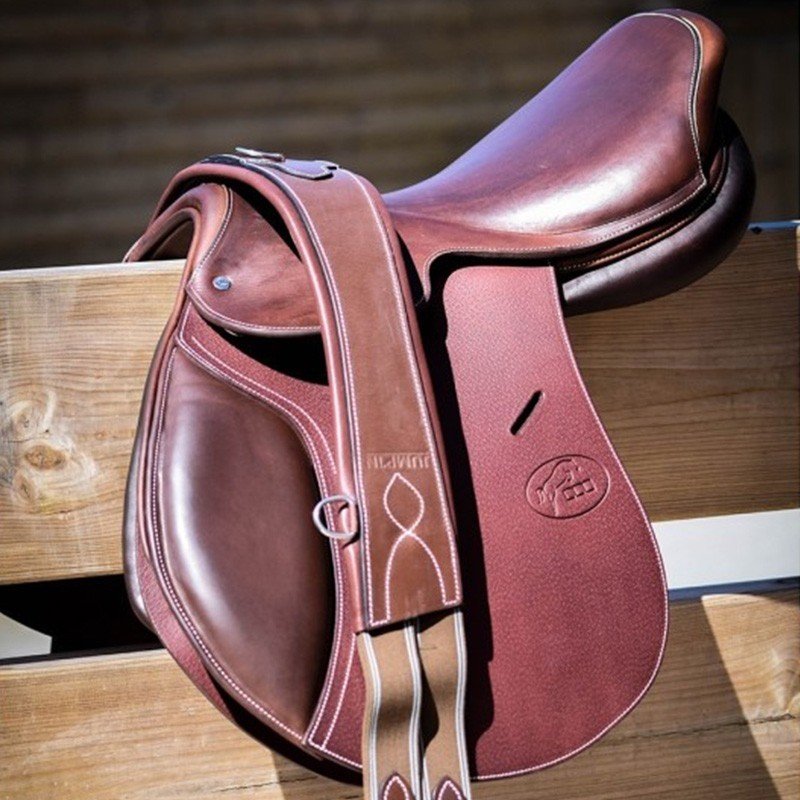
For the ambitious rider, the right jump saddle isn’t just equipment—it’s an essential partner. It’s the critical link that enhances communication, supports a dynamic position, and provides the security needed for you and your horse to perform at your peak. At Continental Saddlery, we understand that selecting from the vast array of jump saddles, close contact saddles, and eventing saddles can be overwhelming. This guide will walk you through the key features—saddle balance, knee block placement, and tree width—to help you find your ideal match.
Anatomy of a Performance Jump Saddle
Understanding a few core components is the first step to finding your perfect fit:
- Saddle Balance: This is the foundation. A well-balanced saddle places the rider in the center of the horse, allowing for a deep, secure seat and independent aids. The balance point should keep you positioned over your horse’s natural center of gravity, crucial for navigating courses.
- Knee & Thigh Blocks: These provide essential rider security and aid in maintaining a consistent position. Knee blocks can be forward, neutral, or rearward to support different leg styles, while thigh blocks offer upper-leg stability. Consider whether you prefer a close contact feel with minimal padding or a more supported ride with pronounced blocks.
- Tree Width & Gullet Channel: The saddle must fit your horse first. The tree width (narrow, medium, wide) and the gullet channel must accommodate your horse’s withers and spine clearance to ensure horse comfort and unrestricted movement. An incorrect tree is a primary cause of poor performance and soreness.
Discipline-Specific Considerations
- Show Jumping Saddles: Typically feature a forward-cut flap to accommodate a shorter stirrup and a secure, balanced seat to allow for a two-point position over fences.
- Eventing Saddles: Designed for versatility, they must support both the jumping phases and the dressage test. Look for a model that offers a secure feel for cross-country but with a flap design that allows for a dressage-length leg in the flat phases.
- All-Purpose / Close Contact Saddles: A popular choice for general riding and low-level jumping. They offer a compromise between a flatter seat and a forward flap, making them a great versatile saddle for riders who do a bit of everything.
The Continental Saddlery Difference: Expert Fitting is Key
The most beautifully crafted saddle is ineffective if it doesn’t fit. This is where our professional saddle fitting service sets us apart. Our experts don’t just sell saddles; we analyze the partnership. We assess:
- Your horse’s conformation and back profile.
- Your riding discipline and personal goals.
- Your body shape and preferred position.
We then use this analysis to recommend saddles from our curated selection of top-tier brands, ensuring optimal performance for both horse and rider. We also offer guidance on complementary tack and accessories, like saddle pads that enhance fit.
Final Takeaways for Your Search
- Prioritize Balance: A balanced saddle is a safe, effective saddle.
- Fit the Horse First: The correct tree size and gullet clearance are non-negotiable for equine well-being.
- Define Your Needs: Be clear on your primary discipline to choose between a specialized jumping saddle or a versatile all-purpose model.
- Trust the Experts: Utilize a saddle fitting service to turn a complex decision into a confident investment.
Ready to Find Your Perfect Match?
Explore our premier collection of performance jump saddles, eventing saddles, and close contact saddles at Continental Saddlery. Contact our team today to schedule a consultation and experience the difference that expert guidance and precision saddlery can make in your riding journey.

OKAY